
Last Updated: September 2026 | Reviewed by: Infra Engineering
Security is a constant concern for any entity, whether a small business or a large multinational corporation. As modern society continues to innovate, video surveillance systems (VSS) remain crucial for safeguarding business data and assets. Here is everything you need to know about VSS use in Singapore.
What is a Video Surveillance System (VSS)?
Also known as a closed-circuit television (CCTV) system, a VSS incorporates a network of security cameras and supporting equipment that can capture, store, and analyse audiovisual data. While traditional CCTV systems were primarily analogue, modern innovations have driven their digitalisation, enabling more efficient and effective surveillance capabilities.
A video surveillance system provides overt or discreet security coverage by recording audiovisual data that can be reviewed at any time by security staff or law enforcement to resolve disputes and criminal cases. It can be customised with a myriad of capabilities and functions that enable it to serve specific roles or provide broader security coverage to deter potential threats. These may include facial recognition, motion detection, and proactive alert notifications.
Equally important is that a video surveillance system can integrate with other security systems, such as alarms and automated locking systems. In doing so, you provide enhanced security coverage that safeguards your personnel, equipment, and data at all times.
Singapore Regulations and Guidelines for Video Surveillance Systems
Singapore regulates video surveillance systems (VSS) through data protection laws and sector-specific mandates.
- VSS must only be installed for reasonable security or safety purposes. They should not be installed in restrooms or changing rooms.
- Businesses must notify individuals about their VSS using clear, visible signage before they enter the monitored area.
- The Personal Data Protection Act (PDPA) also gives individuals the legal right to request access to CCTV footage of themselves. In this case, businesses must provide the footage or blur the faces of other individuals present.
- Standard surveillance footage is usually kept for 30 days, although specific guidelines may apply for different business sectors.
- The recommended baseline standards include a minimum resolution of Full HD (1080p) with date and time stamps.
- For internet-connected or IP-based surveillance systems, security guidelines must be complied with to prevent unauthorised remote access.
Key Factors to Choosing a VSS
Selecting the right video surveillance systems requires you to think about how to future-proof your security while overcoming technical difficulties that could hamper your VSS’s capabilities.
Physical Equipment
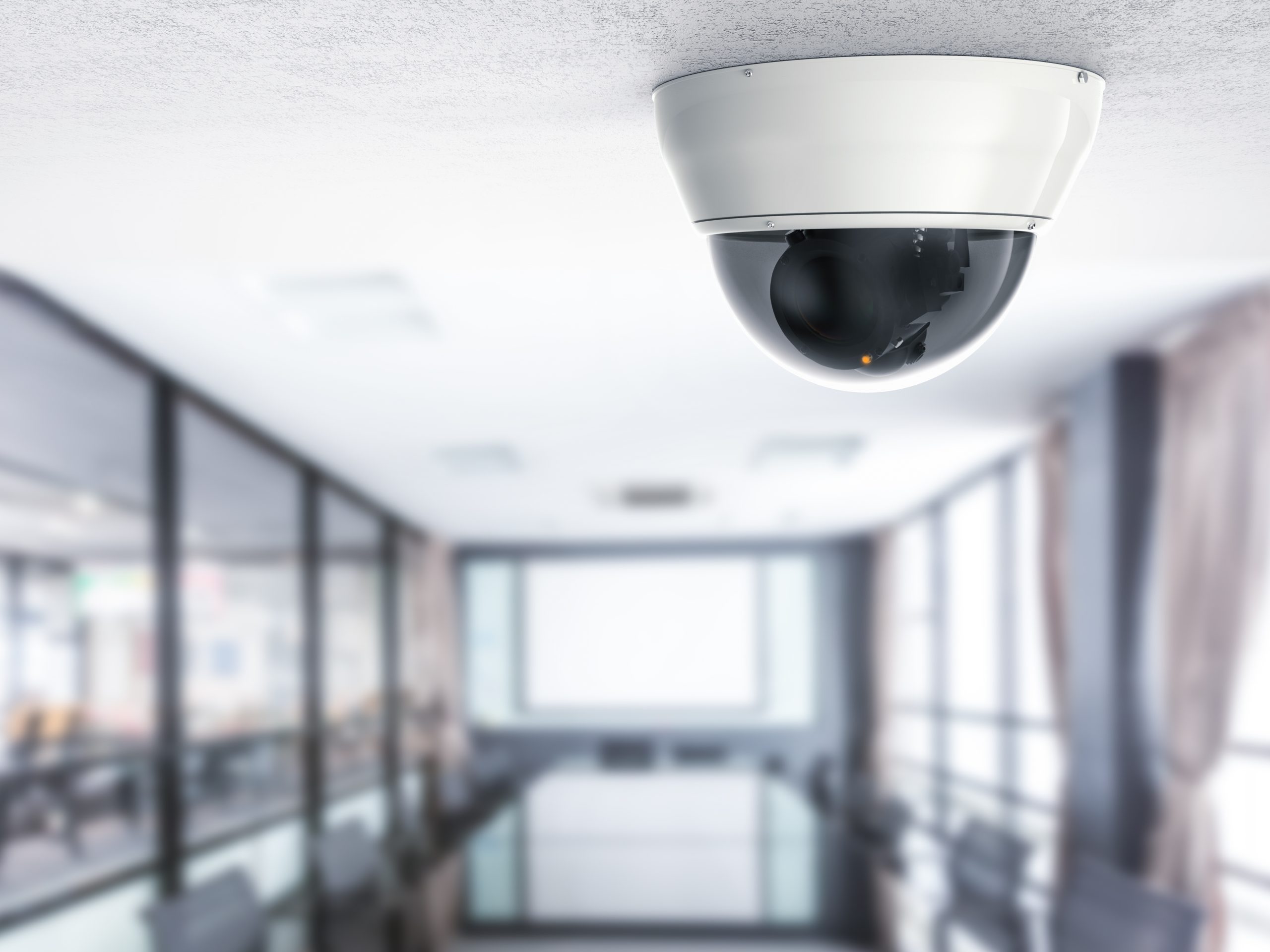
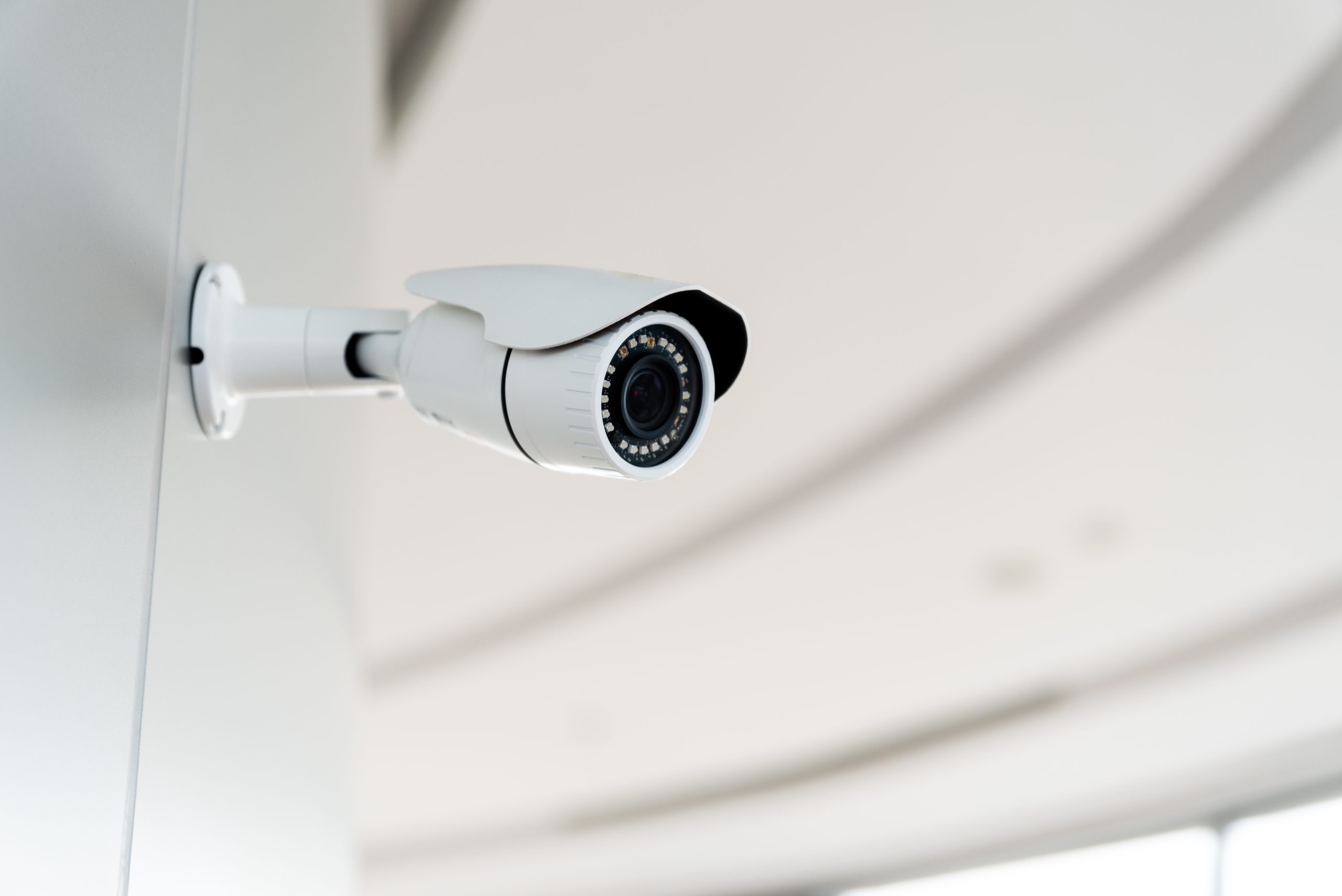
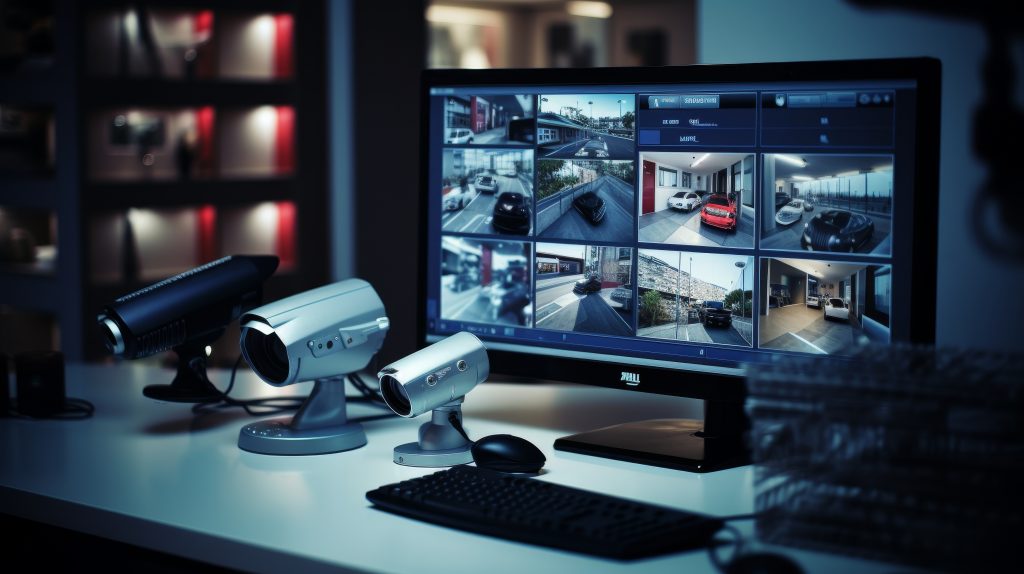
Physical cameras come in various shapes and sizes, with multiple features that define their role in safeguarding your business as part of a video surveillance system. Choose from fixed cameras that can monitor small or narrow areas, wireless models connected to a centralised hub, advanced multi-sensor units for more specific applications, and many more. Support these with redundancy mechanisms, surge protection, and other equipment to further enhance overall security.
Discuss your security requirements with a video surveillance system provider, and they can make tailored recommendations to optimise your surveillance system coverage and address your evolving security needs.
Surveillance Quality
Modern security cameras can vary in surveillance quality, influenced by factors such as capture resolution, compression, and smart integrations with other security mechanisms. You may consider models with night-vision capabilities for dark storage areas, or higher-definition cameras that can recognise facial features from a distance.
Surveillance Coverage
A video surveillance system is a potent deterrent against criminal activity, as well-positioned cameras can provide optimal coverage across an entire area. This ensures you can capture clear footage that can then be used as evidence for law enforcement or dispute resolution. In some cases, it can even deter would-be intruders from attempting anything in areas with installed cameras.
Data Storage
Security footage traditionally required extensive physical storage devices to retain it for long periods, but hardware failures are one way this critical data can be compromised. Cloud-based storage now offers virtually unlimited storage capacity that can be scaled to your needs, ensuring that your surveillance system can run indefinitely as recorded footage is reliably secured in a single, non-physical location.
Budget
Video surveillance systems can quickly become expensive the more features are needed, so you should carefully weigh your options and choose the core components your surveillance system needs. As complexity grows, you can gradually scale up as needed to improve your security capabilities.
Infrastructure & Scalability
Setting up your video surveillance system does require forethought to ensure you have sufficient security coverage while retaining room for further expansion where necessary. From camera mounting positions to power supply and wireless coverage for a cloud-based video surveillance system, overall efficiency is essential, especially given the challenges posed by spatial constraints. Working with a video surveillance system provider will help you find valuable solutions to maximise your surveillance system performance, even with minimal space.
Climate Conditions
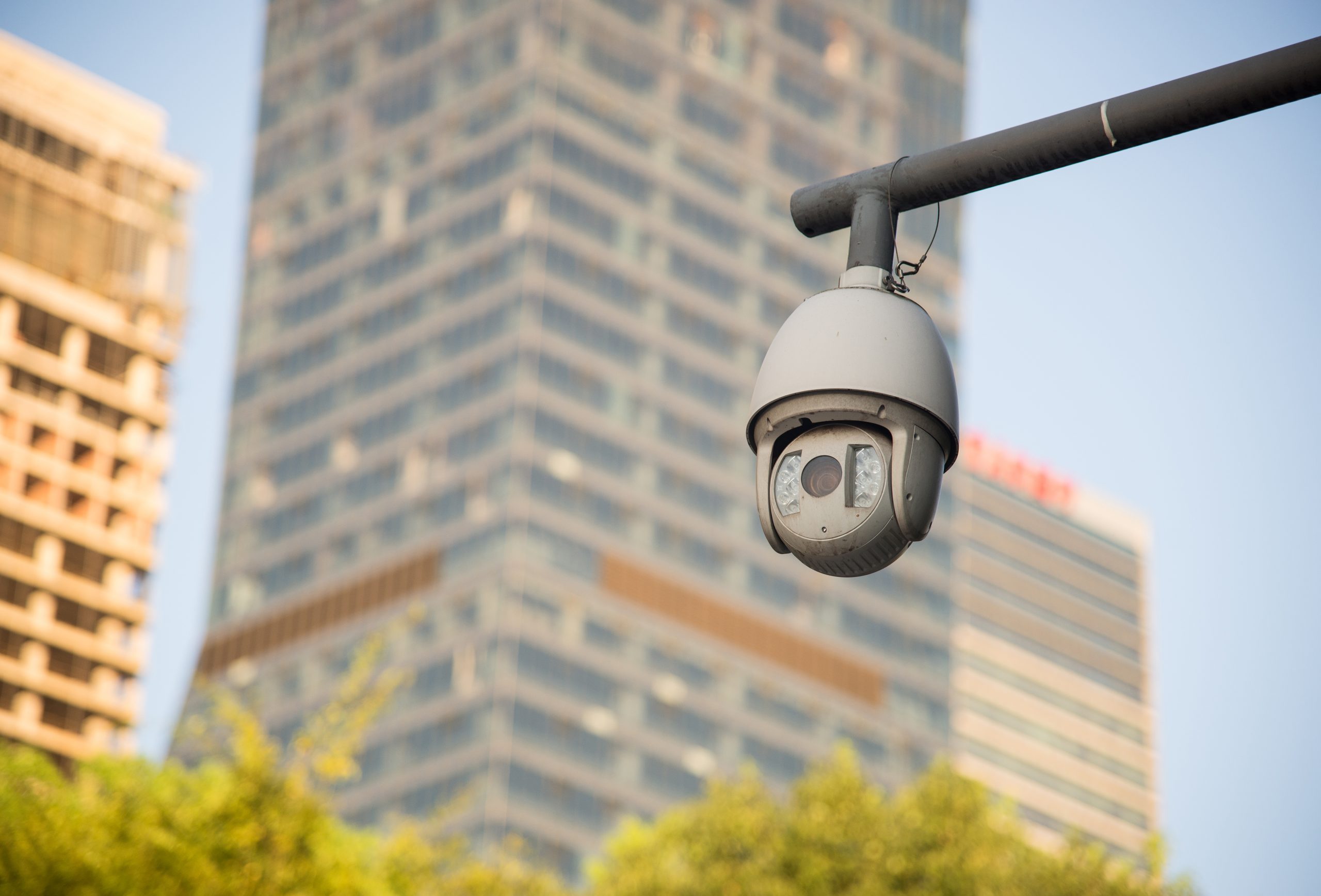
Cameras in outdoor locations will need sufficient weatherproofing to function optimally, come rain or shine. Some models may include additional features for this role, such as night vision and reinforced encasements, but these may command premium prices.
Cybersecurity
Cybersecurity practices are equally essential in preventing data breaches that can compromise your video surveillance system’s integrity and functionality. It is vital to have a comprehensive continuity plan that accounts for where company and VSS data are stored, how to secure them effectively, and the compliance measures required to safeguard against cybersecurity threats.
Ongoing Support
A video surveillance system provider serves as your trusted partner in ensuring your VSS functions without issues. Their consistent, professional support through regular maintenance cycles, knowledge base assistance, and frequent security consultations will cover all key bases and ensure your security stays one step ahead as technology continues to evolve.
Benefits of Implementing Video Surveillance Systems
Installing a video surveillance system within your property offers various benefits, including:
Allowing Continuous Monitoring
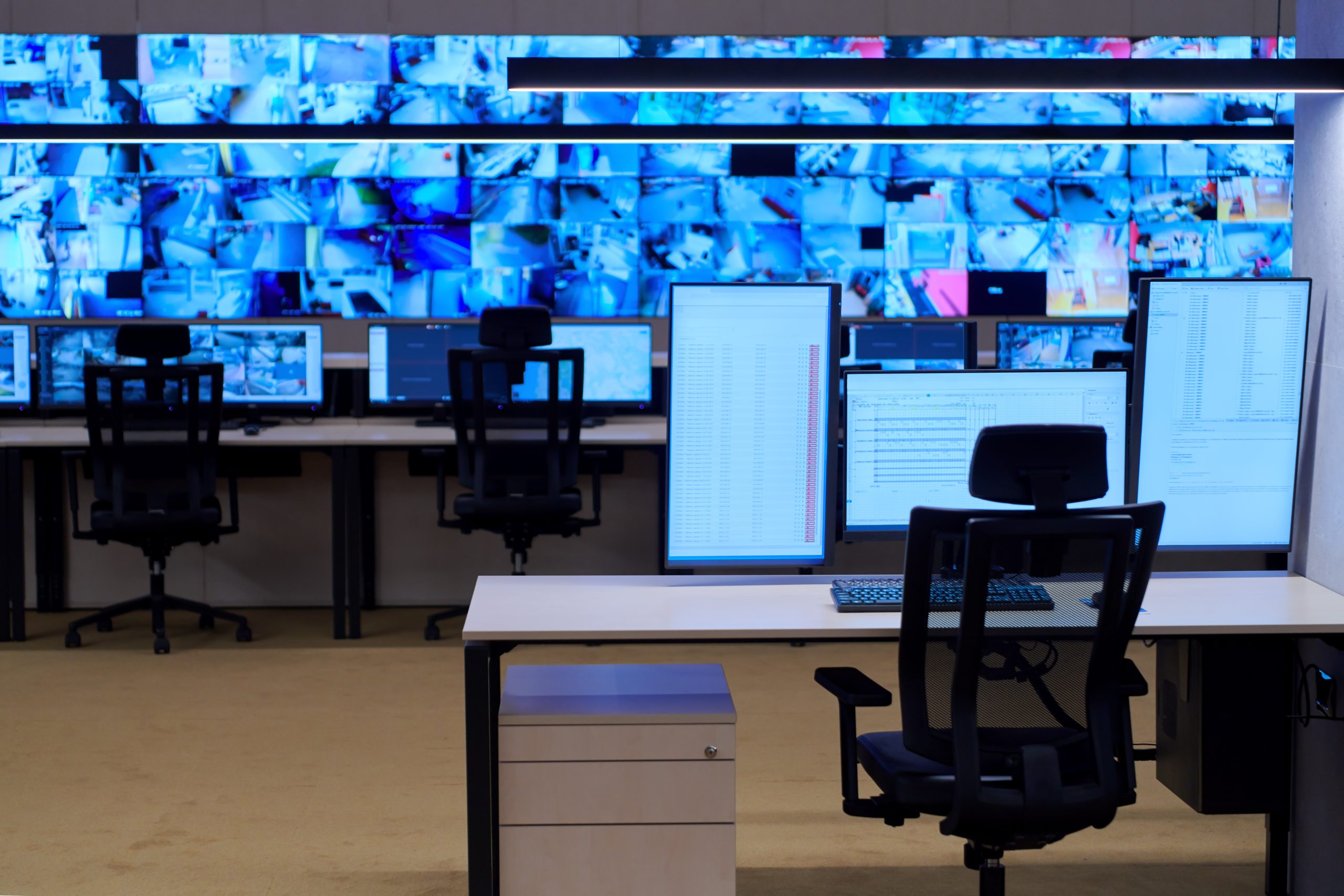
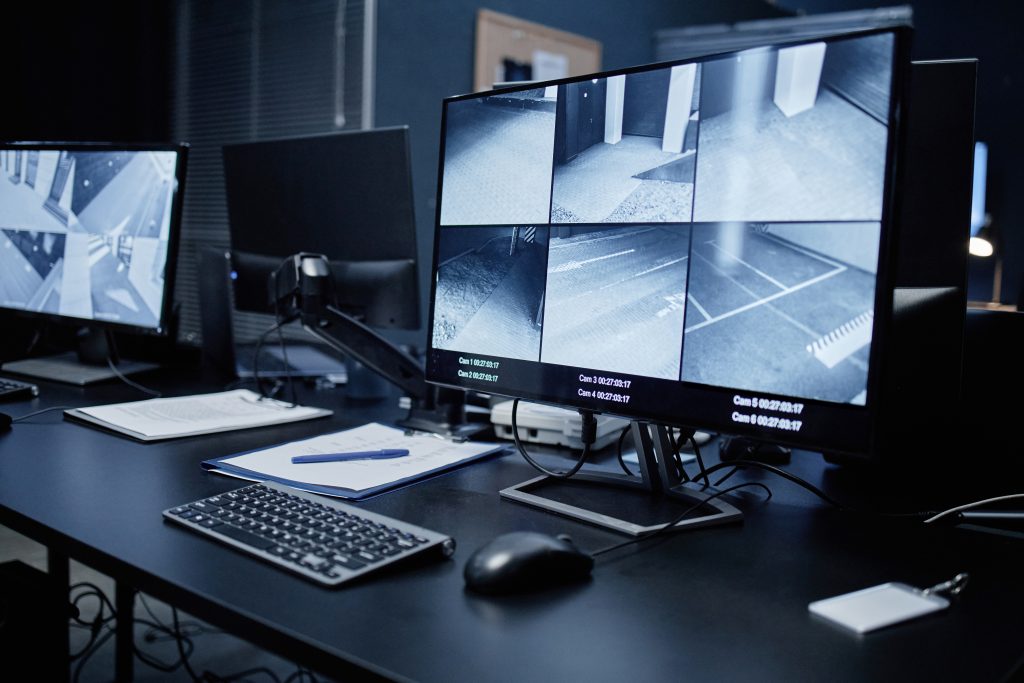
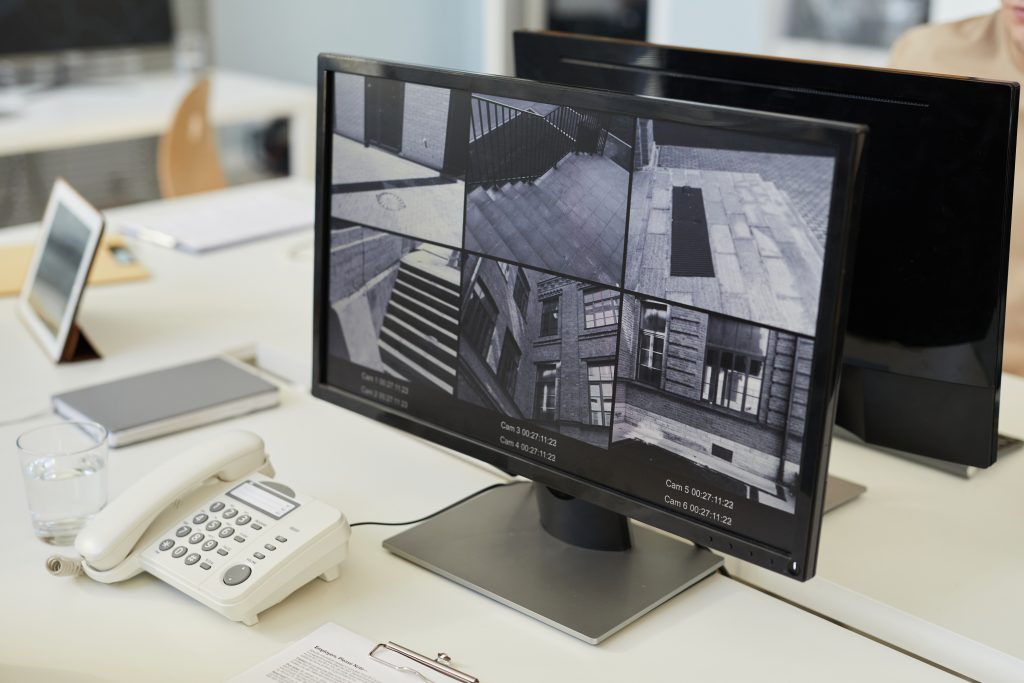
With video surveillance systems, you can monitor multiple camera views anytime and ensure the security of your business. This is especially useful for business owners who are often away from their office.
Receiving Instant Alerts
Wherever you are, video surveillance systems help you receive instant alerts when a sensor is triggered.
Overseeing Business Operations
Business owners also use video feeds to watch workflows and identify bottlenecks in daily operations. This may lead to improved daily productivity.
Deterring Crimes
Video surveillance systems are a strategic way to deter crimes or potential break-ins. Visible cameras can be a strong warning to stop various forms of crime before they happen.
Providing Tangible Evidence for Authorities
Installing video surveillance systems in your business property helps provide proof that can be brought to the authorities for insurance claims or legal disputes.
Why Choose Infra Engineering For Video Surveillance Systems in Singapore
Advanced Security Solutions
Infra Engineering provides modern video surveillance systems designed to improve security monitoring and protect businesses across Singapore. We stay updated with the latest surveillance technologies to deliver reliable and effective security solutions.
Experienced Technical Team
With years of industry knowledge and experience, our team supports a wide range of surveillance system implementations for different business and commercial environments.
Customer-Focused Service
We work closely with customers to understand their security requirements and recommend suitable video surveillance solutions based on their operational needs.
Professional Installation
Our technicians carefully install and configure each video surveillance system to ensure reliable performance, proper coverage, and long-term security support.
Frequently Asked Questions
What is the maximum distance a security camera can record?
On average, most security cameras can cover a distance of 30 to 50 ft in normal lighting conditions, though some higher-end models can easily cover up to 100 ft. Visual quality can degrade beyond the rated zoom level (among other factors), so it is vital to carefully consider the camera’s features to find a suitable model for your video surveillance system.
What is an NVR?
A network video recorder (NVR) is a specialised computer that records security footage from every connected security camera and stores it in a digital format on a physical hard drive, a server, or a cloud-based solution.
Is a wired VSS a better option than a wireless one?
A wired VSS is typically more secure and reliable due to a direct Internet connection, but a wireless VSS is easier to implement across larger areas. Both have their advantages, but you should always discuss with your video surveillance system provider which is the best choice for your needs.
How much security footage can a VSS store?
Security footage may have different file sizes based on video resolution, compression, and other factors (including audio recordings). Physical and cloud-based NVRs can be tailored to meet different VSS data storage requirements for optimal, uninterrupted usage.
Will a VSS still function during a power outage?
A video surveillance system can be connected to an uninterruptible power supply (UPS) that provides backup power for a short duration and additional surge protection. It can help overcome the challenges of a power outage, but a lengthy blackout can still disrupt the VSS’s functionality.